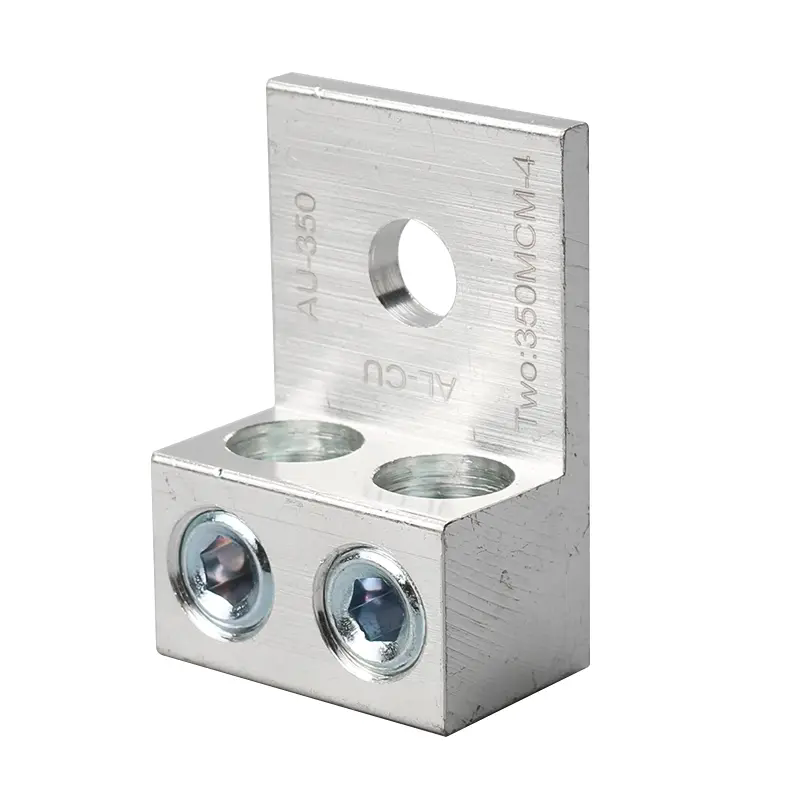
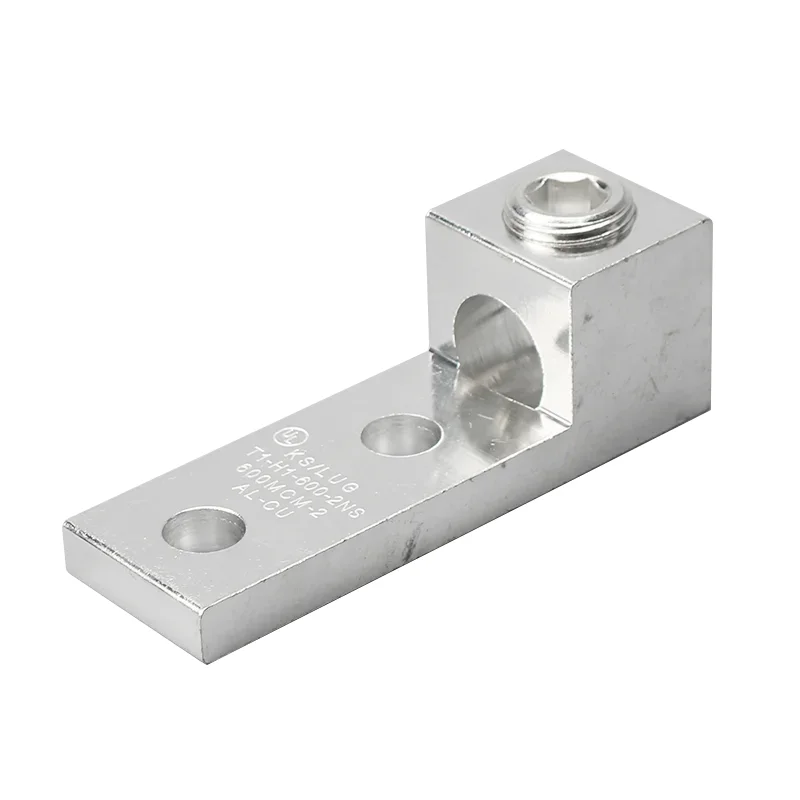
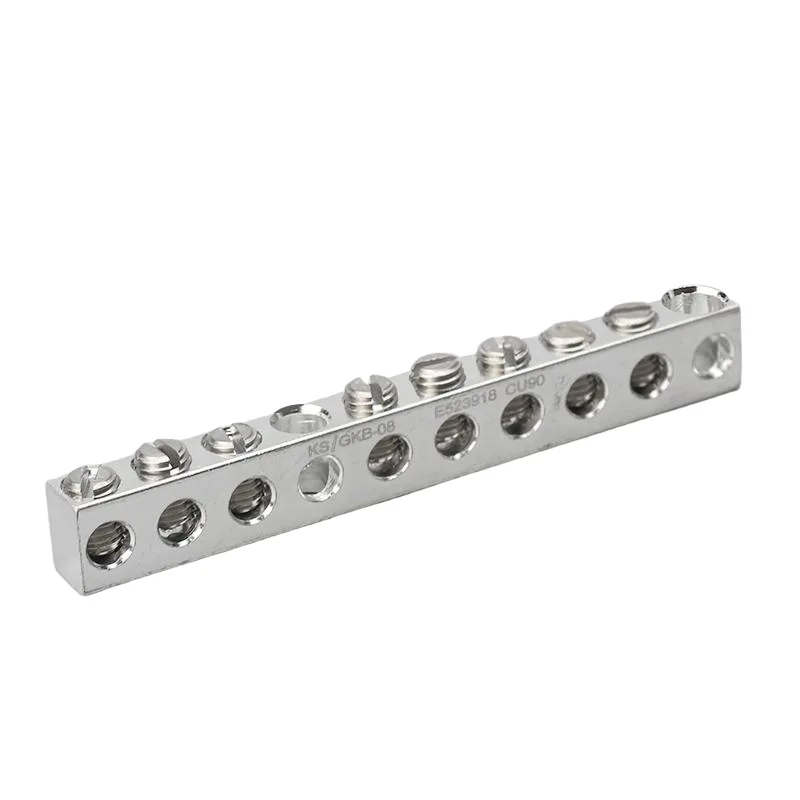
Single Wire Lugs are critical components in electrical termination systems, directly affecting connection safety, conductivity efficiency, and long-term system stability. Selecting the wrong lug can lead to overheating, voltage drop, mechanical failure, or costly downtime. This article provides a comprehensive and practical guide to understanding, selecting, and applying Single Wire Lugs in different electrical scenarios. It addresses common customer pain points, explains technical parameters in clear language, and offers actionable guidance to support reliable and compliant installations.
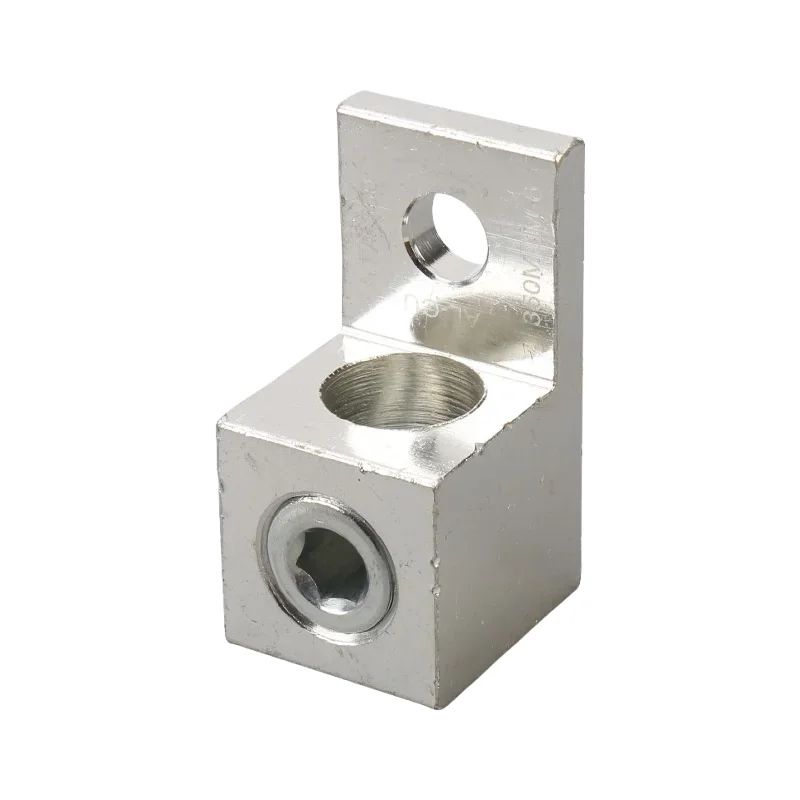
Single Wire Lugs are electrical connectors designed to terminate a single conductor to a terminal block, busbar, or electrical device. They are commonly used in power distribution systems, industrial control panels, renewable energy installations, automotive systems, and heavy machinery.
Their primary function is to create a secure mechanical and electrical connection between a wire and a conductive point. A properly selected Single Wire Lug ensures minimal resistance, stable current flow, and resistance to vibration, corrosion, and thermal cycling.
Many electrical failures originate not from the cable itself, but from incorrect termination. The most frequent issues include:
These problems often result in increased maintenance costs, unexpected downtime, and potential safety hazards. Choosing the correct Single Wire Lug from the beginning significantly reduces these risks.
Selecting the right Single Wire Lug requires evaluating several technical and environmental factors. Each factor directly impacts performance and service life.
Single Wire Lugs are manufactured from different conductive materials, each with distinct performance characteristics.
| Material Type | Key Characteristics | Typical Applications |
|---|---|---|
| Copper | Excellent conductivity, low resistance, high mechanical strength | Power distribution, industrial equipment |
| Tinned Copper | Enhanced corrosion resistance, stable in humid environments | Marine, renewable energy, outdoor installations |
| Aluminum | Lightweight, cost-effective, requires proper surface treatment | Utility power systems, large conductor applications |
Material selection should always align with conductor material to prevent galvanic corrosion and ensure long-term reliability.
Even the highest-quality Single Wire Lug will fail if installed incorrectly. Crimping quality directly determines electrical and mechanical performance.
Proper installation reduces contact resistance, prevents conductor pull-out, and ensures compliance with electrical safety practices.
Single Wire Lugs are widely used across multiple industries due to their versatility and reliability.
| Parameter | Description |
|---|---|
| Wire Range | Compatible conductor cross-sectional area |
| Barrel Type | Standard or long barrel for enhanced crimp strength |
| Surface Finish | Bare, tinned, or plated for corrosion resistance |
| Temperature Rating | Maximum continuous operating temperature |
| Compliance | Manufacturing and safety standards compatibility |
What happens if the lug size does not match the wire?
An incorrect size can cause loose connections, increased resistance, and potential overheating, leading to system failure.
Are Single Wire Lugs suitable for outdoor use?
Yes, when manufactured with appropriate materials and surface treatments, they perform reliably in outdoor and harsh environments.
Can copper lugs be used with aluminum conductors?
This is not recommended unless specific bi-metal solutions are used, as material mismatch can cause corrosion and connection degradation.
Choosing the correct Single Wire Lugs is a foundational step in building safe, efficient, and durable electrical systems. By understanding conductor requirements, material properties, installation practices, and application environments, electrical professionals can significantly reduce risk and improve system performance.
Kangshuai provides a wide range of precision-engineered Single Wire Lugs designed for demanding industrial and commercial applications. For tailored solutions, technical guidance, or product selection assistance, Kangshuai welcomes you to contact us and connect with an experienced support team ready to assist your project needs.