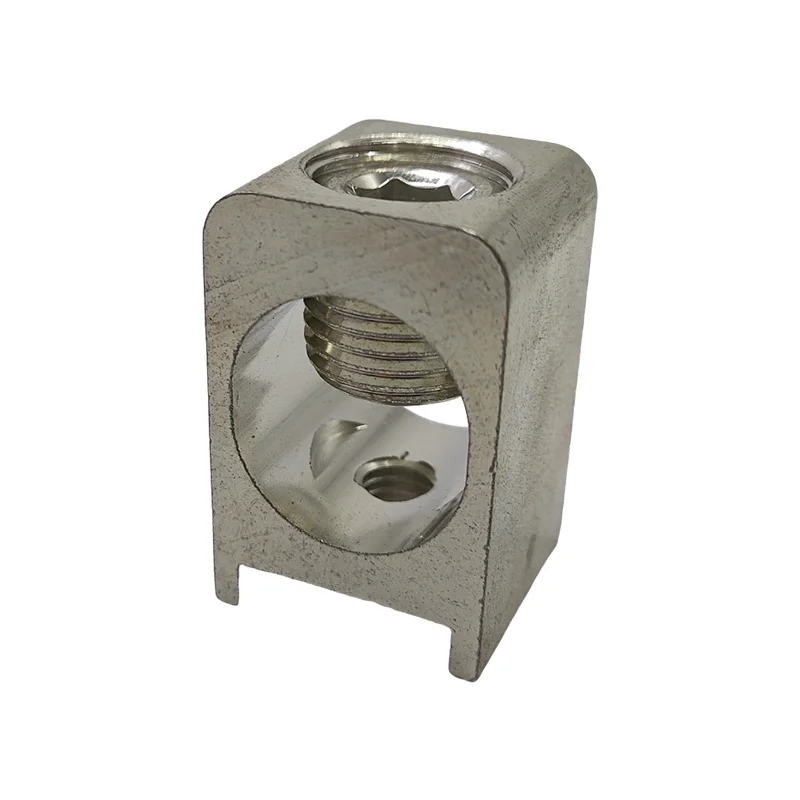
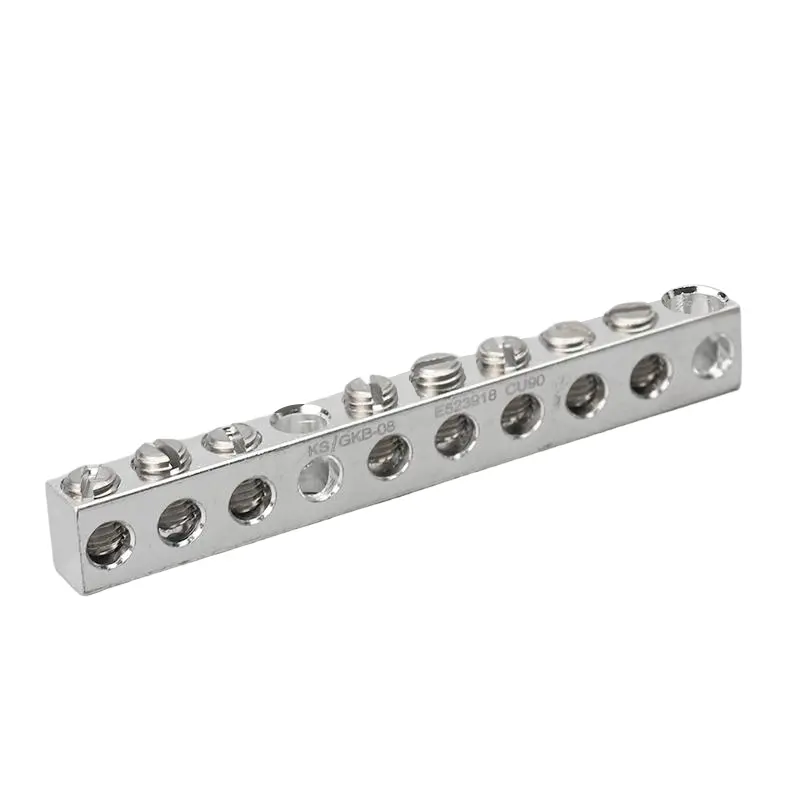
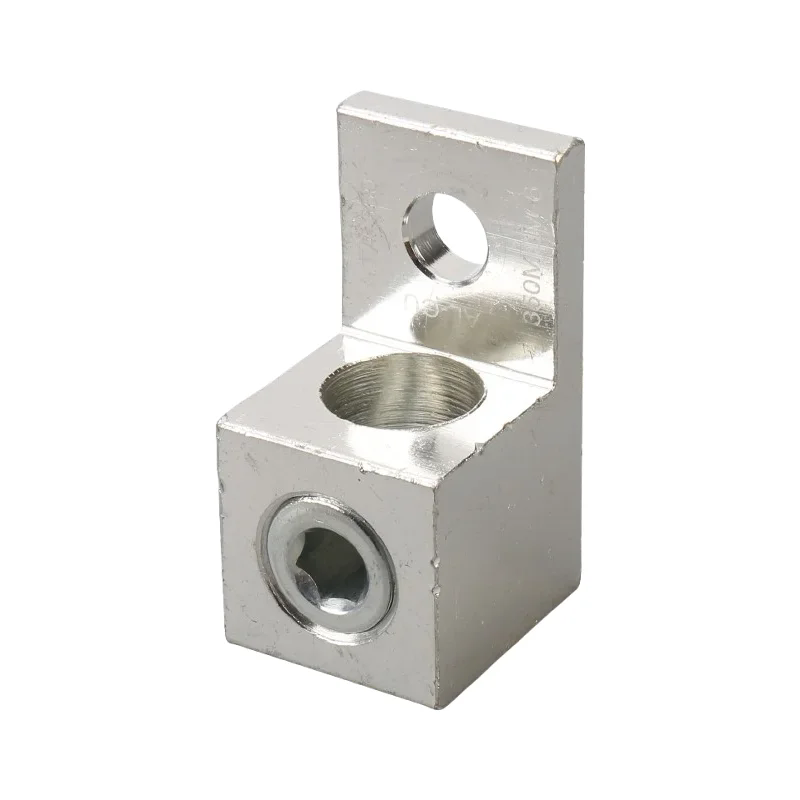
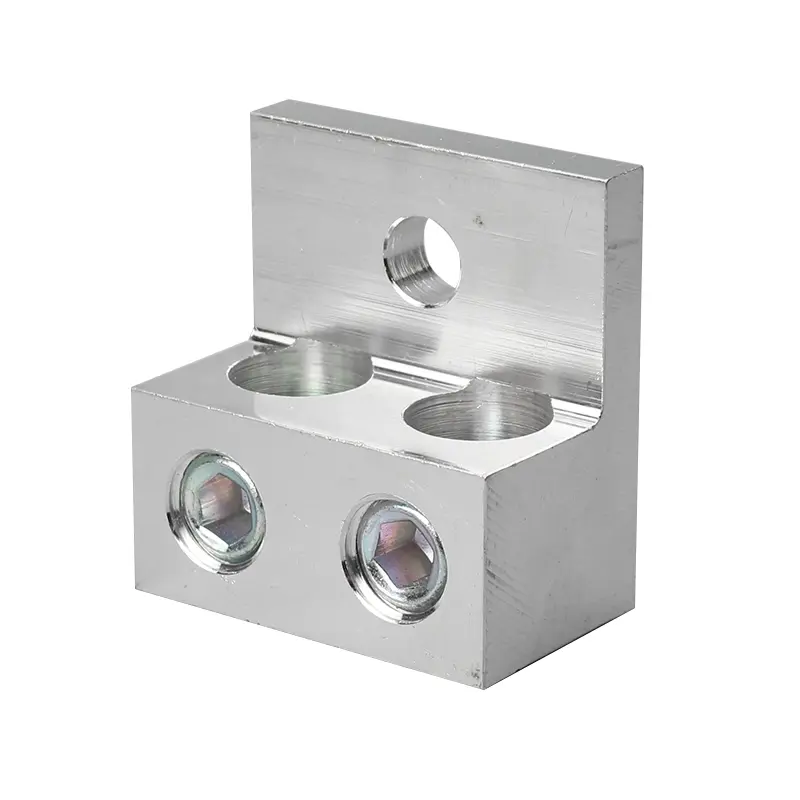
In today’s evolving electrical infrastructure, the role of Aluminum Neutral Bars has become increasingly significant across distribution systems and industrial installations. These components are widely recognized for their ability to support stable current distribution, reduce connection complexity, and enhance system safety across multiple application environments. The growing demand for reliable electrical connectivity solutions has positioned neutral distribution structures as a foundational element in modern electrical engineering designs.
With continuous development in electrical manufacturing technologies, Aluminum Neutral Bars are now integrated into a wide range of systems including power distribution cabinets, control panels, and industrial automation equipment. Their structural stability and conductivity performance make them suitable for environments requiring consistent electrical grounding and neutral distribution. Engineers increasingly rely on standardized bar systems to improve installation efficiency and maintain long-term operational stability.
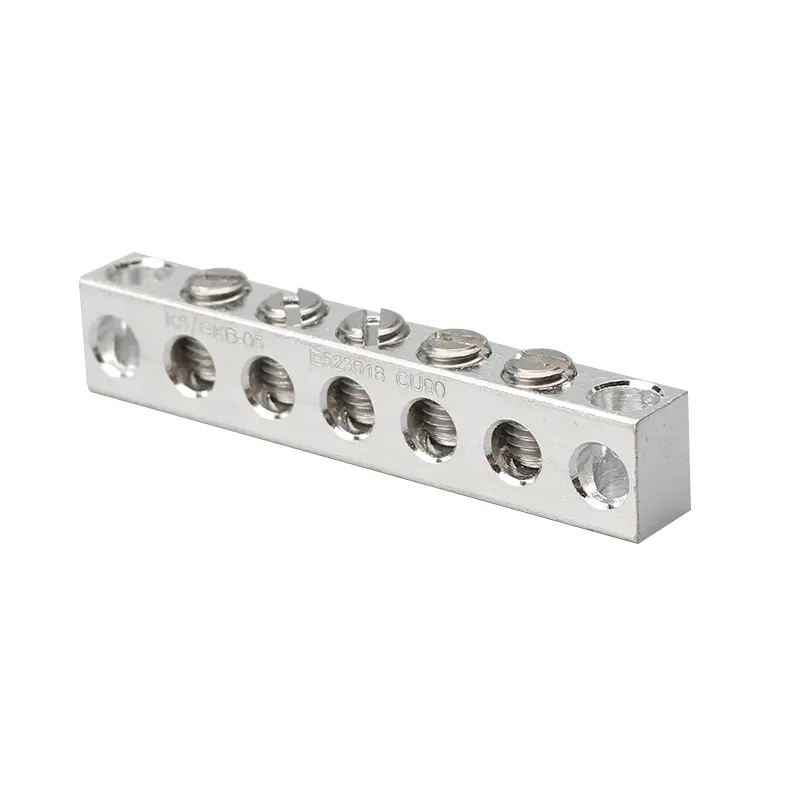
Electrical distribution systems require components that ensure consistent and controlled current flow. Neutral bar structures play a crucial role in maintaining balance within circuits, helping reduce irregular load distribution. By providing a centralized grounding and neutral connection point, they support safer and more organized wiring layouts across complex installations.
Modern electrical systems are highly modular, requiring components that can integrate seamlessly with various protective devices and terminal assemblies. Neutral bar solutions are designed to accommodate multiple connection points, enabling structured wiring arrangements that improve both installation and maintenance efficiency. Their adaptability makes them suitable for use in industrial control cabinets, communication infrastructure, and building electrical systems.
The use of advanced conductive materials ensures that electrical distribution components maintain high performance under continuous load conditions. Aluminum Neutral Bars are valued for their balance between conductivity, weight efficiency, and corrosion resistance. These characteristics make them suitable for environments where long-term reliability is essential.
Electrical systems often operate under varying temperature conditions. Neutral bar components must maintain structural integrity while ensuring consistent conductivity. Aluminum-based designs provide stable thermal performance, helping minimize deformation risks and maintaining secure connections even in demanding environments.
In many industrial environments, Aluminum Neutral Bars are selected to support long-term operational consistency where vibration, heat variation, and continuous load demand are common. Their structural resilience ensures that electrical distribution integrity remains stable across extended service cycles.
Modern installation practices prioritize reduced assembly complexity and improved wiring clarity. Neutral bar systems are engineered to simplify connection processes while maintaining organized layouts. This contributes to reduced installation time and improved system readability for maintenance operations.
Electrical connectivity solutions are required in a wide range of industries, each with unique operational demands. Neutral bar systems support these requirements by offering flexible and standardized connection platforms suitable for multiple sectors.
In automated production environments, stable electrical distribution is essential for uninterrupted operation. Neutral bar assemblies support structured wiring within control cabinets, ensuring that electrical pathways remain organized and reliable throughout system operation.
Infrastructure projects require durable electrical components capable of handling continuous usage conditions. Neutral bar solutions provide consistent grounding support, contributing to safe and efficient electrical distribution in transportation hubs, building complexes, and utility systems.
Communication facilities and energy distribution networks rely heavily on stable electrical frameworks. Neutral bar systems assist in maintaining structured connections, ensuring that electrical signals and power distribution remain stable across interconnected systems.
Quality assurance is a critical factor in electrical component manufacturing. Products must comply with strict testing requirements to ensure safe and reliable performance across different operational environments. Manufacturing processes typically include material inspection, conductivity testing, and structural evaluation to meet international quality expectations.
Standardized production methods ensure consistency across batches, allowing engineers to confidently integrate components into complex systems. Emphasis is placed on durability, safety compliance, and long-term operational stability.
Each component undergoes rigorous evaluation to confirm its mechanical strength and electrical performance. These procedures help ensure that the final product meets the demands of industrial and commercial applications without compromising safety standards.
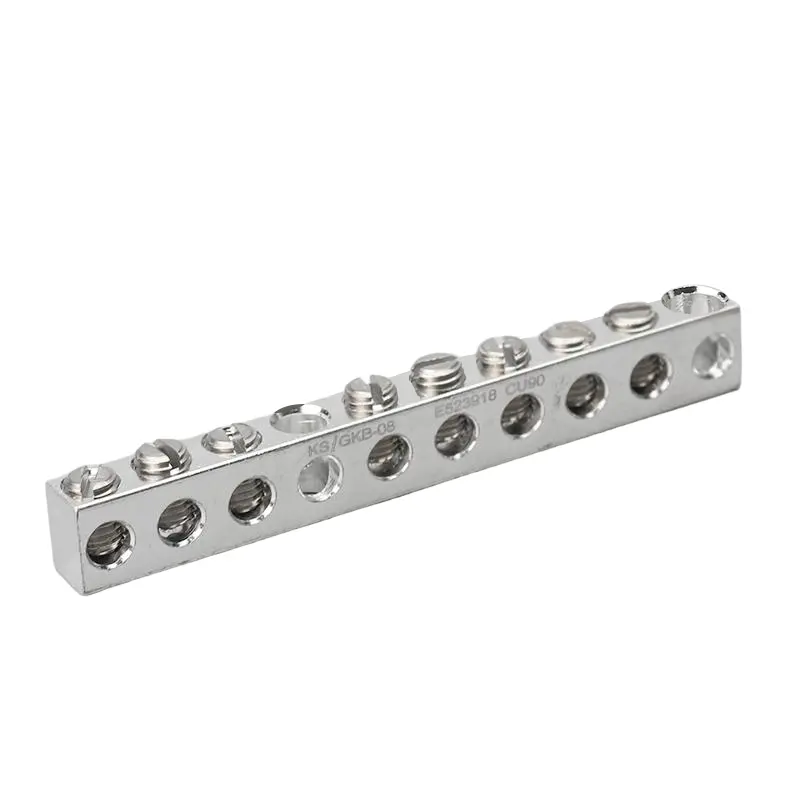
The electrical industry continues to evolve toward more compact, efficient, and modular systems. This evolution drives innovation in neutral distribution components, leading to improved designs that support higher density wiring and simplified maintenance structures. Modern engineering approaches focus on reducing installation complexity while enhancing system reliability.
Modular system design has become a dominant trend in electrical engineering. Neutral bar systems are increasingly designed to support flexible configurations, allowing engineers to adapt installations based on system requirements without extensive redesign.
Sustainability considerations are influencing material selection and production methods. Lightweight conductive materials contribute to reduced resource consumption while maintaining performance standards, supporting more efficient electrical system design practices.
| Structural Feature | Functional Description | System Role | Engineering Benefit |
|---|---|---|---|
| Conductive Framework | Provides stable electrical pathways | Supports neutral distribution | Enhances system reliability |
| Modular Connection Layout | Allows multiple wiring interfaces | Enables flexible integration | Improves installation efficiency |
| Thermal Resistant Design | Maintains stability under varying conditions | Supports continuous operation | Reduces maintenance requirements |
| Corrosion Resistant Material | Protects structural integrity | Extends service life | Ensures long-term durability |
The increasing complexity of modern electrical infrastructure continues to highlight the importance of reliable neutral distribution systems. As industries move toward more integrated and efficient electrical designs, components such as Aluminum Neutral Bars play a critical role in ensuring safe and stable performance across a wide range of applications.
Advancements in material engineering and manufacturing technology are expected to further enhance the performance and adaptability of these components. Their role in supporting modular electrical systems and high-efficiency installations will remain essential as global infrastructure continues to evolve.
Wenzhou Kangshuai Electronic Co., Ltd. continues to demonstrate strong capabilities in the design and production of advanced electrical connectivity solutions. With a focus on technological innovation, strict quality control, and comprehensive testing systems, the company provides dependable products for industrial, commercial, and infrastructure applications worldwide. Its commitment to stable performance and engineering excellence reinforces its position as a trusted supplier in the electrical components industry.
Within this development landscape, Aluminum Neutral Bars remain a key component supporting safe distribution systems, and Wenzhou Kangshuai Electronic Co., Ltd. continues to contribute to their advancement through continuous innovation and reliable manufacturing expertise.