Article Summary
Panelboard lugs play a critical role in electrical distribution systems by providing secure and stable conductor connections within panelboards. Poor connections can lead to overheating, power loss, and potential safety hazards. This article explains how panelboard lugs function, how they support safe current transfer, and how to select the right lug for specific applications. It also outlines common installation challenges and practical solutions that improve reliability in electrical panels.
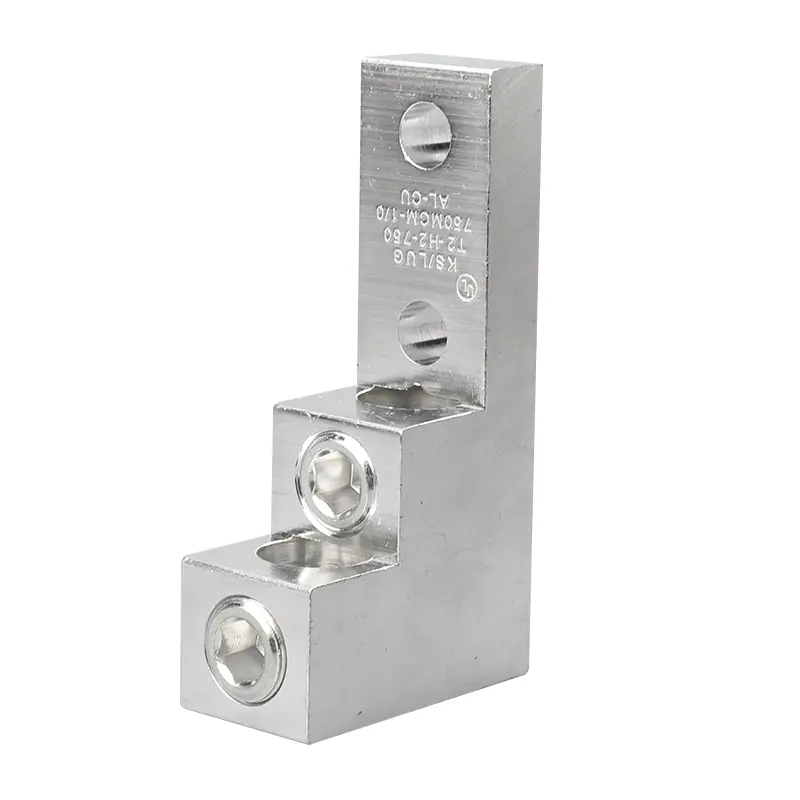
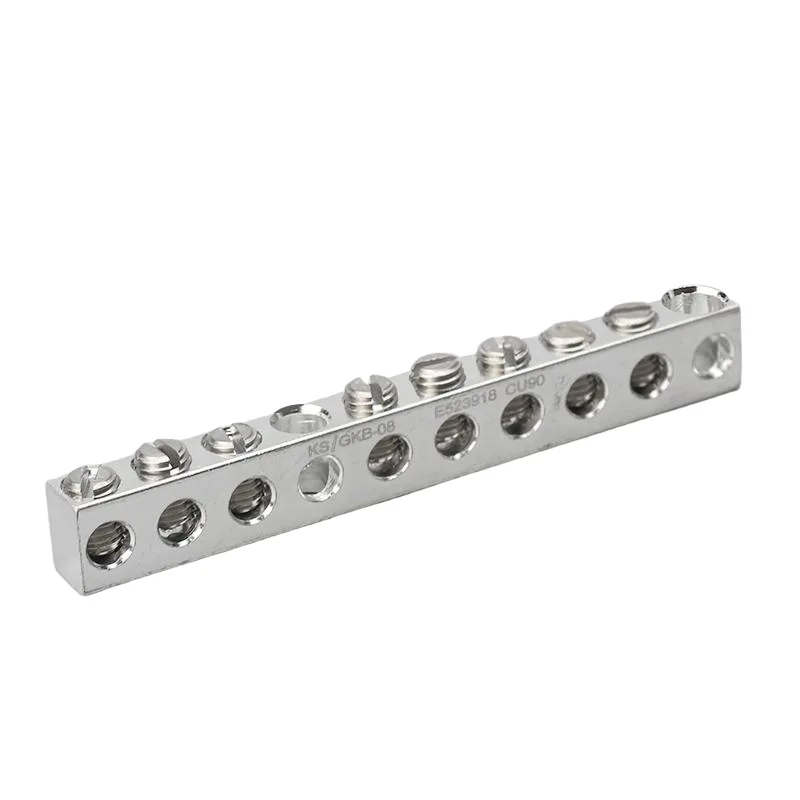
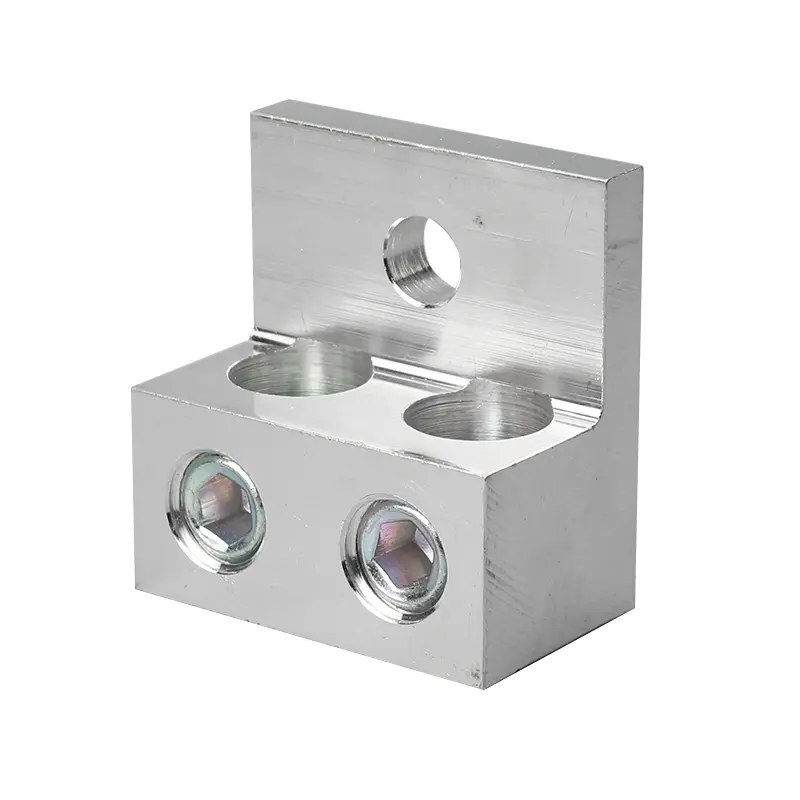
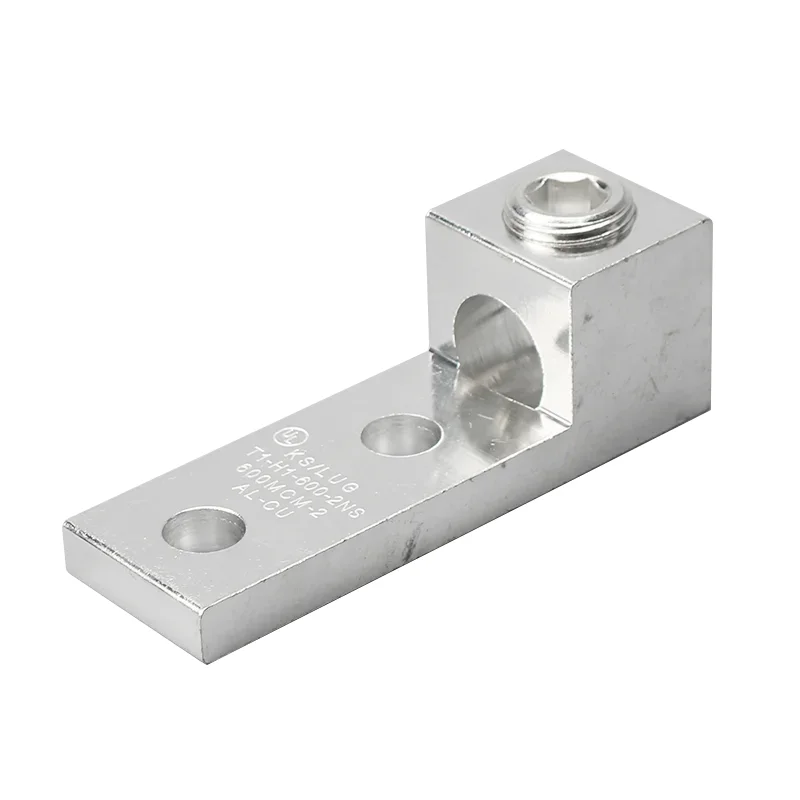
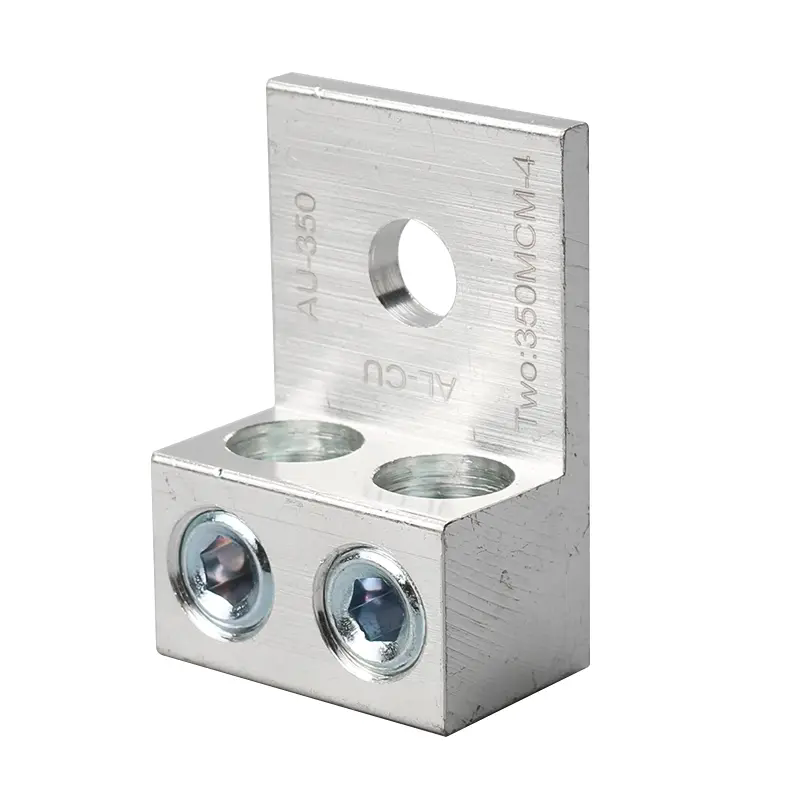
Panelboard lugs are specialized electrical connectors designed to secure conductors within panelboards or distribution boards. These lugs create a stable electrical interface between incoming power lines and the internal busbars or terminal connections of a panelboard.
In modern electrical infrastructure, panelboards distribute electricity from a main source to various branch circuits. Reliable lug connections ensure that electrical current flows efficiently while maintaining mechanical stability. Without properly installed lugs, conductors may loosen, causing resistance buildup, overheating, or even electrical failure.
Panelboard lugs are widely used in residential, commercial, and industrial electrical systems. They are designed to accommodate different wire sizes, current ratings, and installation environments.
Panelboard lugs operate by mechanically securing a conductor to a conductive terminal using compression or mechanical clamping. This connection ensures minimal resistance between the conductor and the panelboard busbar.
The process works in several stages:
When properly tightened, panelboard lugs create a low-resistance electrical pathway. This reduces energy loss and helps maintain system efficiency.
In high-capacity power systems, these connectors are engineered to handle large currents while maintaining safe operating temperatures.
Panelboard lugs are engineered to support both electrical conductivity and mechanical strength. The design typically includes several essential elements:
The conductive body is usually manufactured from high-conductivity copper or aluminum. Some designs include protective plating to improve corrosion resistance and enhance durability.
Mechanical compression ensures the conductor remains securely attached even under vibration or thermal expansion. This stability is essential in industrial environments where electrical panels experience variable loads.
Panelboard lugs are used in a wide range of electrical distribution systems where reliable conductor termination is required.
Common applications include:
These connectors allow electricians to safely terminate large conductors without compromising electrical performance. Their modular design also allows easier maintenance and upgrades when expanding electrical systems.
| Parameter | Description |
| Material | Copper or aluminum alloy |
| Surface Treatment | Tin plated or corrosion resistant coating |
| Wire Range | 6 AWG to 600 kcmil depending on model |
| Voltage Rating | Up to 600V |
| Current Capacity | Varies according to conductor size and design |
| Installation Type | Bolt-on or screw clamp |
| Temperature Rating | Typically up to 90°C |
These parameters help engineers determine compatibility with existing electrical systems. Selecting the correct lug size and rating ensures long-term operational reliability.
Electrical installers often face several challenges when working with panelboard lugs. Understanding these issues helps prevent system failures.
Loose Connections
Improper tightening can lead to increased electrical resistance and heat generation. Using calibrated torque tools ensures the lug is tightened according to manufacturer specifications.
Incorrect Wire Size
Using a conductor that is too small or too large for the lug can weaken the connection. Always verify wire compatibility before installation.
Oxidation and Corrosion
In humid or industrial environments, oxidation may affect connection performance. Tin plating and protective coatings help reduce this risk.
Selecting the correct panelboard lug requires evaluating several technical factors.
Copper lugs generally provide higher conductivity and durability, while aluminum lugs offer lighter weight and cost advantages. The final selection depends on system requirements and installation conditions.
Manufacturers such as CMKS Electronic design panelboard lugs that meet strict electrical performance standards while ensuring easy installation within modern power distribution systems.
Routine inspection and maintenance help ensure panelboard lug performance over time.
Recommended practices include:
Electrical professionals should always follow proper safety procedures when servicing panelboards to prevent accidental contact with live circuits.
What is the main purpose of a panelboard lug?
The primary function of a panelboard lug is to securely connect electrical conductors to a panelboard or distribution system while maintaining a stable current path.
Are panelboard lugs compatible with both copper and aluminum wires?
Some lugs are designed for dual compatibility, while others are optimized for a specific conductor type. Always verify the product specification before installation.
Why is proper torque important for lug connections?
Correct torque ensures sufficient contact pressure between the conductor and lug. This prevents overheating and ensures efficient electrical conduction.
Can panelboard lugs handle high-current applications?
Yes. Many industrial-grade panelboard lugs are engineered to handle high current loads when matched with the appropriate conductor size and installation method.
Panelboard lugs are essential components in electrical distribution systems, ensuring safe and reliable conductor connections within panelboards. Their ability to provide stable mechanical and electrical interfaces helps maintain consistent power delivery across residential, commercial, and industrial environments.
Understanding how these connectors function, how to select the correct specifications, and how to maintain them properly can significantly improve the safety and efficiency of electrical installations.
CMKS Electronic continues to develop durable and precision-engineered panelboard lugs designed to meet the needs of modern power distribution infrastructure. If you are looking for reliable solutions or technical guidance regarding panelboard lug applications, please contact us today to discuss your project requirements and discover how our products can support your electrical systems.