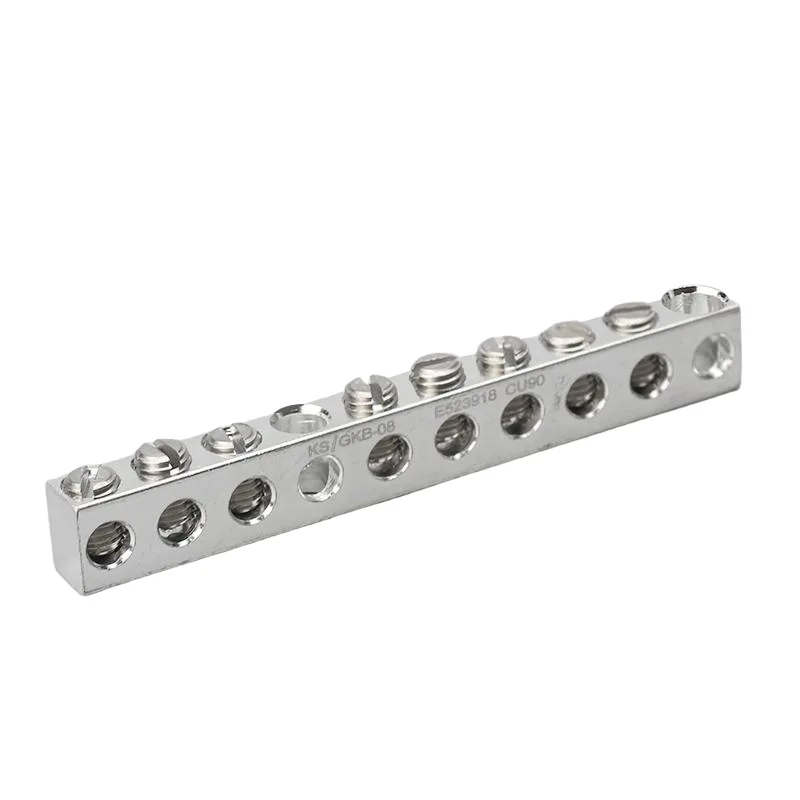
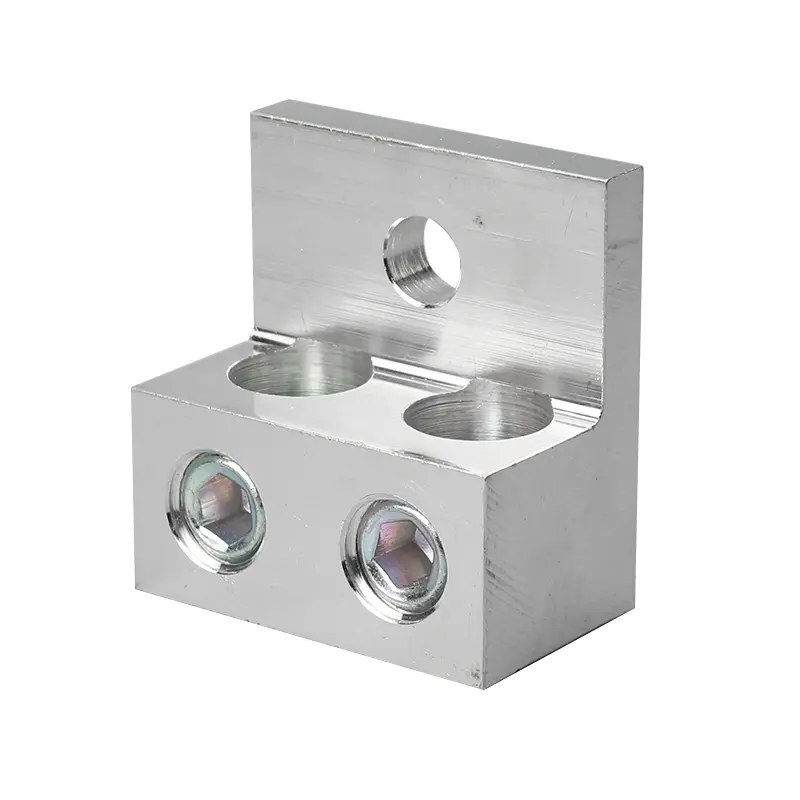
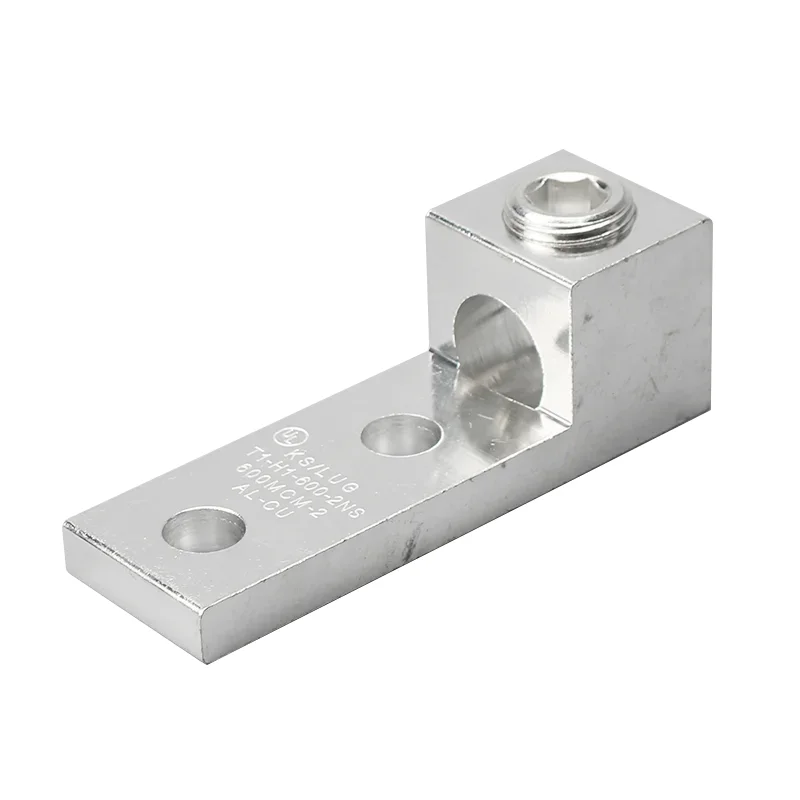
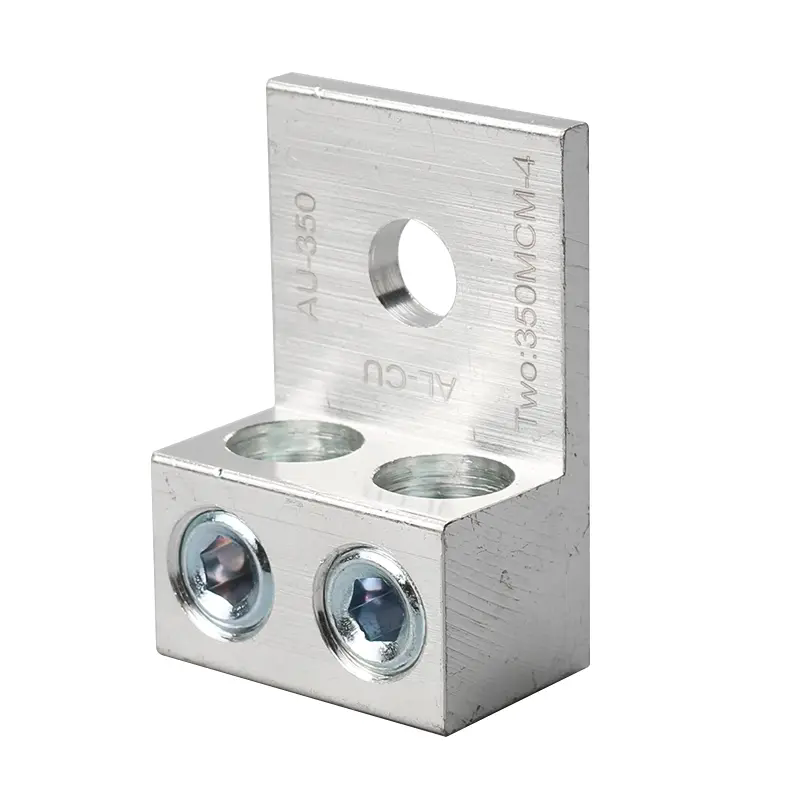
Proper torque application to lug terminals is one of the most critical steps in electrical installation. Over-tightening or under-tightening can lead to overheating, arcing, and system failure. Understanding the correct torque settings helps ensure safe and efficient operation. At Wenzhou Kangshuai Electronic Co., Ltd., our factory specializes in manufacturing precision-engineered panelboard lugs designed to meet global electrical safety standards and deliver consistent performance under varying load conditions.
Importance of Correct Torque in Panelboard Lugs
Applying the right torque to lug terminals ensures a secure electrical connection without damaging conductors. When torque is too low, the conductor can loosen due to vibration or temperature changes. When it is too high, it may crush the conductor strands or deform the lug body. Our panelboard lugs are engineered with durable materials and designed to maintain optimal compression and contact resistance. Wenzhou Kangshuai Electronic Co., Ltd. integrates precise torque calibration standards into every production batch to ensure safety and long-term reliability.
Recommended Torque Values for Panelboard Lugs
The torque applied to lug terminals depends on the conductor size, material, and terminal design. Below is a detailed reference table from our factory outlining typical torque ranges for various wire sizes and applications. All data complies with IEC and UL standards.
Conductor Size (AWG/mm²)
Lug Material
Torque Range (N·m)
Torque Range (lb·in)
Application Type
14–10 AWG (2.5–6 mm²)
Aluminum
2.3–3.4
20–30
Lighting panels and small control boards
8–6 AWG (10–16 mm²)
Copper
4.5–5.6
40–50
General distribution boards
4 AWG (25 mm²)
Aluminum
7.9–9.0
70–80
Industrial switchgear
2 AWG (35 mm²)
Copper
11.3–12.4
100–110
Main feeder terminals
1/0 AWG (50 mm²)
Aluminum
16.9–19.0
150–170
Heavy-duty power systems
2/0–4/0 AWG (70–120 mm²)
Copper
22.6–33.9
200–300
High-capacity busbar connections
Each torque specification is validated through mechanical and thermal testing in our in-house laboratory at Wenzhou Kangshuai Electronic Co., Ltd.. Our engineers ensure that Panelboard Lugs maintain structural integrity and optimal conductivity even under high torque loads and thermal cycles.
Factors That Influence Torque Settings
Torque recommendations may vary based on several technical factors, such as:
Conductor material (aluminum or copper)
Terminal plating (tin, nickel, or silver)
Temperature rise conditions
Environmental factors such as humidity and vibration
Our design team continuously tests new materials and designs to ensure our Panelboard Lugs maintain high performance across diverse environments. Wenzhou Kangshuai Electronic Co., Ltd. employs precision machining and heat treatment to produce lugs that maintain dimensional accuracy and torque repeatability.
How to Apply Correct Torque in a Panelboard
To ensure reliability, electricians should always use a calibrated torque wrench when tightening lug terminals. Follow these essential steps for safe installation:
Verify the conductor size and match it to the correct lug.
Inspect the terminal and wire for corrosion or damage.
Insert the wire fully into the lug barrel.
Use a torque wrench to apply the recommended torque as per the manufacturer’s guide.
Recheck tightness after 24 hours if under fluctuating load conditions.
Our factory provides detailed torque charts and user guides for every shipment of Panelboard Lugs. The technical support team at Wenzhou Kangshuai Electronic Co., Ltd. assists customers with installation and compliance verification to ensure safety and efficiency.
Technical Features of Our Panelboard Lugs
Below is a summary of our product specifications that make Wenzhou Kangshuai Electronic Co., Ltd. a reliable manufacturer in the global electrical component industry.
Feature
Specification
Advantage
Material
High-purity copper / Aluminum alloy
Excellent conductivity and corrosion resistance
Surface Treatment
Tin or nickel plating
Enhanced oxidation resistance
Temperature Rating
-40°C to +125°C
Suitable for industrial environments
Torque Tolerance
±5% accuracy
Ensures safe, repeatable connections
Certification
UL, CE, and RoHS compliant
Meets international safety standards
Every Panelboard Lugs product from our factory undergoes 100% inspection before packaging. Wenzhou Kangshuai Electronic Co., Ltd. maintains strict ISO-certified production standards and continuous quality audits.
Safety Precautions When Applying Torque
Improper torque application can lead to electrical failure. Follow these key precautions during installation:
Always disconnect power before servicing or tightening any terminal.
Do not exceed the maximum torque limit.
Replace damaged lugs or corroded wires before reinstallation.
Verify torque with calibrated tools only.
Inspect connections periodically to prevent loosening due to vibration.
At Wenzhou Kangshuai Electronic Co., Ltd., safety and precision are at the heart of our production philosophy. Our Panelboard Lugs are designed to maintain secure contact pressure and resist thermal expansion, guaranteeing long-term performance in both residential and industrial systems.
FAQs About "What Torque Should be Applied to Lug Terminals in a Panelboard?"
Q1: What happens if the torque on lug terminals is too high?
A1: Over-torquing can deform the conductor strands or damage the lug body, leading to poor electrical contact and overheating. Our factory provides torque guidelines for each model to prevent such risks.
Q2: How often should torque connections in a panelboard be inspected?
A2: Inspection should occur at least annually or after major load changes. Our Panelboard Lugs are designed to retain clamping force even under thermal expansion, but periodic checks ensure continued safety.
Q3: Can one torque value fit all lug sizes and materials?
A3: No, torque requirements vary based on lug design, material, and conductor size. Wenzhou Kangshuai Electronic Co., Ltd. provides model-specific torque charts to ensure proper tightening and performance.
Conclusion
Understanding What Torque Should be Applied to Lug Terminals in a Panelboard? is vital for preventing electrical failures and ensuring long-term system reliability. Each connection point demands precise torque application for safety and performance. At Wenzhou Kangshuai Electronic Co., Ltd., our dedication to engineering excellence and manufacturing precision guarantees that every Panelboard Lugs product delivers superior durability, conductivity, and compliance. Our experience, innovation, and commitment make our factory a trusted partner in global electrical component solutions.
We use cookies to offer you a better browsing experience, analyze site traffic and personalize content. By using this site, you agree to our use of cookies.Privacy Policy