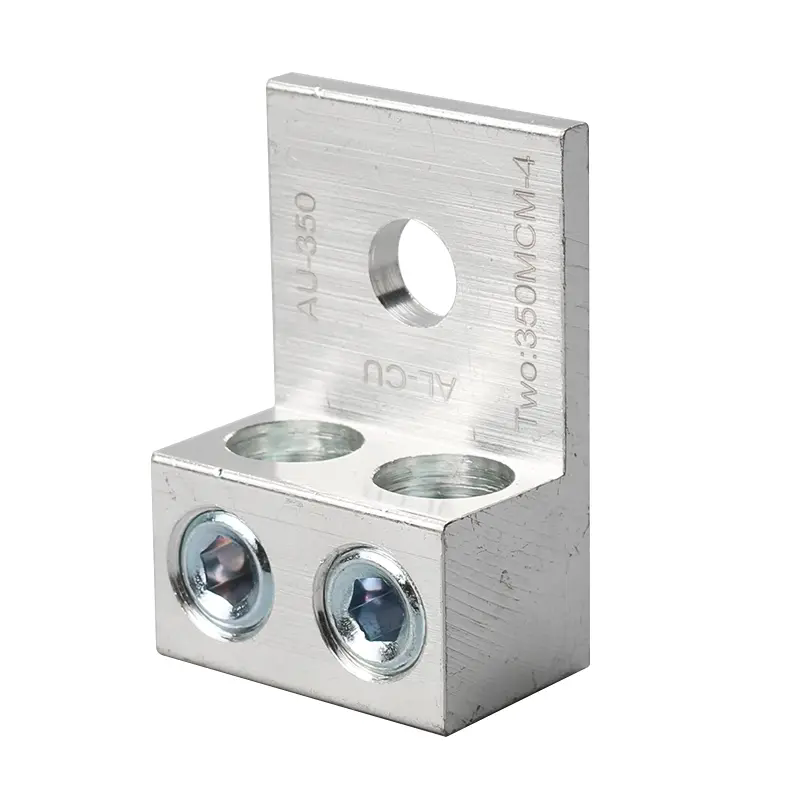
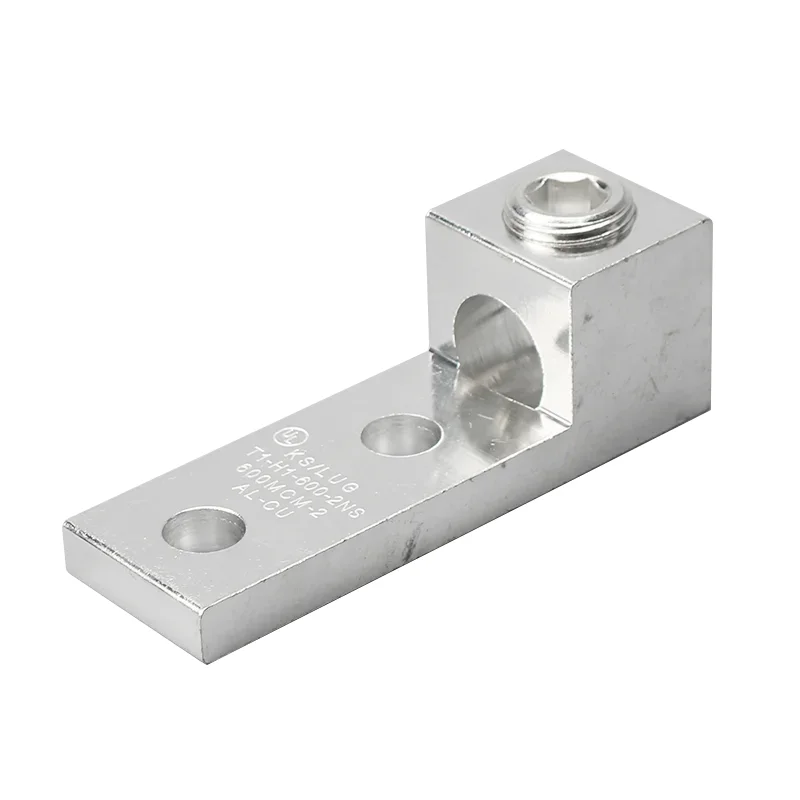
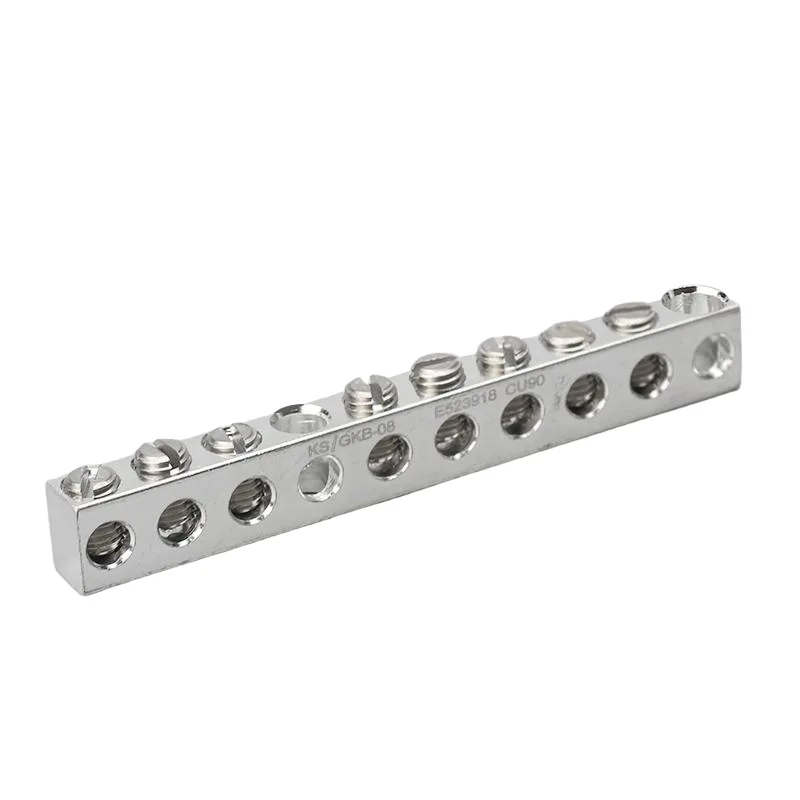
When I first audited a customer’s control panel line that kept tripping under peak load, the issue looked like software—but the culprit was hardware at its most basic: the termination. That was my wake-up call to give small parts the same respect I give to breakers and busbars. As my projects grew, I began relying on CMKS for application guidance and component consistency, and I learned why Single Wire Lugs are often the quiet difference between a system that merely works and a system that works for years. In this guide, I’m sharing the checklists, missteps, and selection logic that help me spec, install, and maintain Single Wire Lugs with confidence.
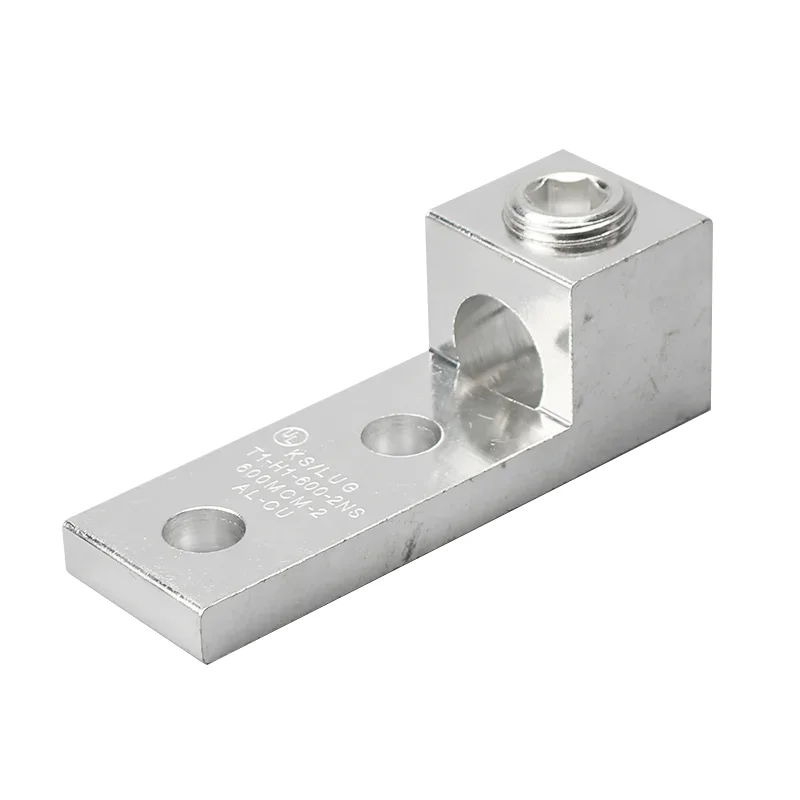
Most wiring headaches in distribution boards, inverters, or HVAC drives trace back to heat, vibration, or corrosion at the termination point. Well-matched Single Wire Lugs reduce micro-movement, spread contact pressure evenly, and protect the conductor interface from oxidation. The result is fewer nuisance trips, steadier thermal behavior, and cleaner power quality downstream. In my field notes, the biggest wins appear in:
Selection begins with conductor basics and ends with service reality. I run through this short list before I add anything to my BOM:
When these align, Single Wire Lugs stop being a risk and start acting like insurance—quiet, cheap, and effective.
I treat terminations like a miniature mechanical joint. The joint either holds its geometry under load or it creeps and heats. Here’s the routine I use on shop floors and job sites:
Done right, Single Wire Lugs sit at stable temperature under real load rather than becoming a mystery hot spot you only find with an infrared camera after a fault.
Three patterns show up again and again in my audits:
If I see any of these, I reassess conductor-lug fit, plating choice, and the crimp/torque sequence. Upgrading to better-matched Single Wire Lugs is usually cheaper than living with repeated downtime.
For most copper conductors, tinned copper lugs give a balanced package: conductivity, corrosion resistance, and solder-free serviceability. In hotter zones or where chemical exposure is constant, I move to thicker plating or high-temperature alloys. If aluminum conductors are unavoidable, I evaluate oxide-breaking compounds, proper barrel geometry, and hardware isolation to keep dissimilar metals from arguing. This is where consistent manufacturing from suppliers like CMKS helps maintain repeatability across builds of the same SKU, especially when Single Wire Lugs span multiple wire classes and enclosure ratings.
I keep a compact matrix to sanity-check product shortlists during design reviews:
| Selection Factor | What I Look For | Practical Payoff |
|---|---|---|
| Conductor Fit | Barrel ID matched to strand class; clean insertion with full fill | Lower contact resistance and cooler operation |
| Plating Finish | Tin or nickel per environment; uniform coating thickness | Corrosion resistance and longer service life |
| Crimp Profile | Tooling compatibility, validated pull-out strength | Mechanical stability under vibration and load |
| Mounting Interface | Correct stud size and pad footprint; edge clearances | Reliable torque retention and easy inspections |
| Thermal Behavior | Temperature rise data at rated current | Fewer hotspots and nuisance trips |
| Accessories | Heat-shrink, insulating boots, sealing options | Ingress protection and neat cable management |
Anywhere a site visit costs more than a quality termination. Rooftop arrays with limited access, remote pump stations, or clean rooms—each truck roll is expensive. Upgrading to robust Single Wire Lugs cuts unplanned downtime and saves on repeat torque checks. My rule: if failure costs are multiples of the part price, I spec the higher-grade lug and document the savings in the commissioning report.
Consistency beats heroics. I maintain a one-page termination SOP and a simple sign-off checklist that travels with every enclosure:
This removes ambiguity and keeps Single Wire Lugs installations consistent across shifts and sites.
Before the first live test, I run a five-point pass fail:
If the checklist is clean, I’m comfortable that Single Wire Lugs won’t become tomorrow’s service ticket.
Lugs don’t live alone. Terminal geometry, clamp pressure, and breaker lug wells all shape contact area. I avoid mixing soft plating with aggressive serrated clamps unless the datasheets call for it, and I confirm that the lug tongue lands flat with no chamfer conflict. When the mated hardware is right, Single Wire Lugs transfer current without creating localized hotspots that grow into bigger faults.
My short interrogation list keeps surprises out of the field:
Strong answers here tell me the Single Wire Lugs will perform the same way in build one and build one hundred.
When I expect current creep or ambient heat to rise, I overspec the lug and plan for additional thermal headroom. I also standardize on finishes that tolerate the worst likely environment rather than the average one. This keeps my panels adaptable without revisiting terminations every time the line grows. In practice, premium Single Wire Lugs are a small price to postpone a redesign.
If you’ve read this far, you’re already ahead of most failure reports. Share your conductor type, AWG range, environment, and enclosure constraints—I’ll map them to a short, field-ready shortlist. If you want a fast start or need samples to validate, contact us and mention your load profile and any thermal limits you’ve logged. We’ll help you select and implement Single Wire Lugs that stay quiet under real-world stress and grow with your system.