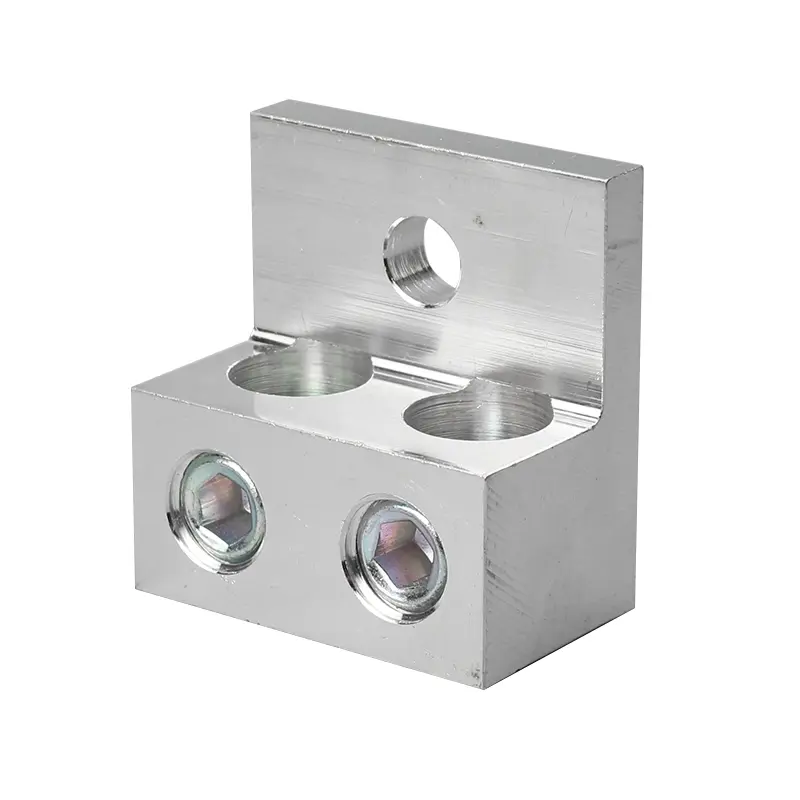
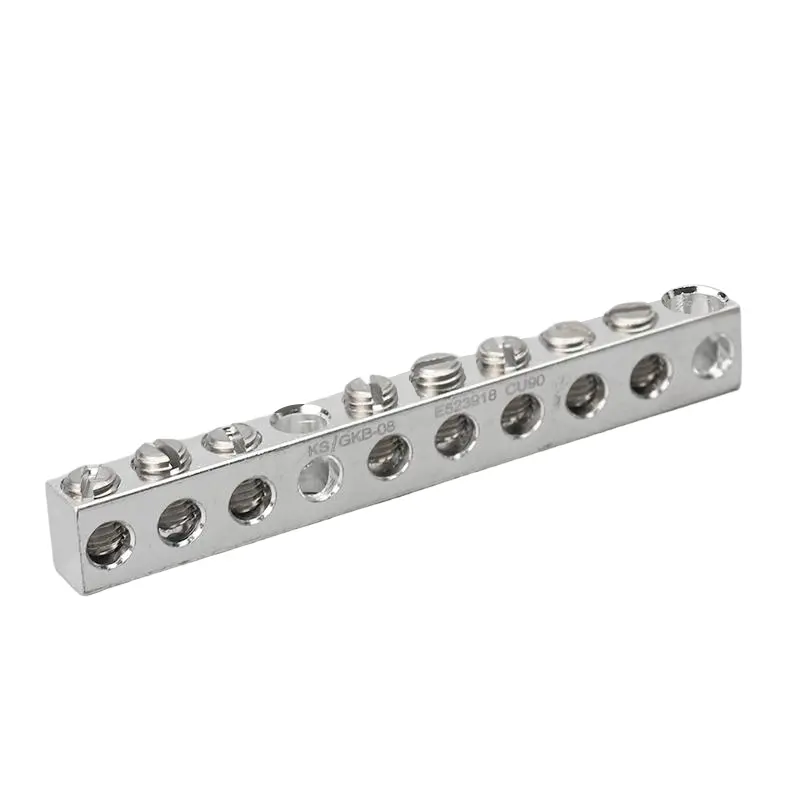
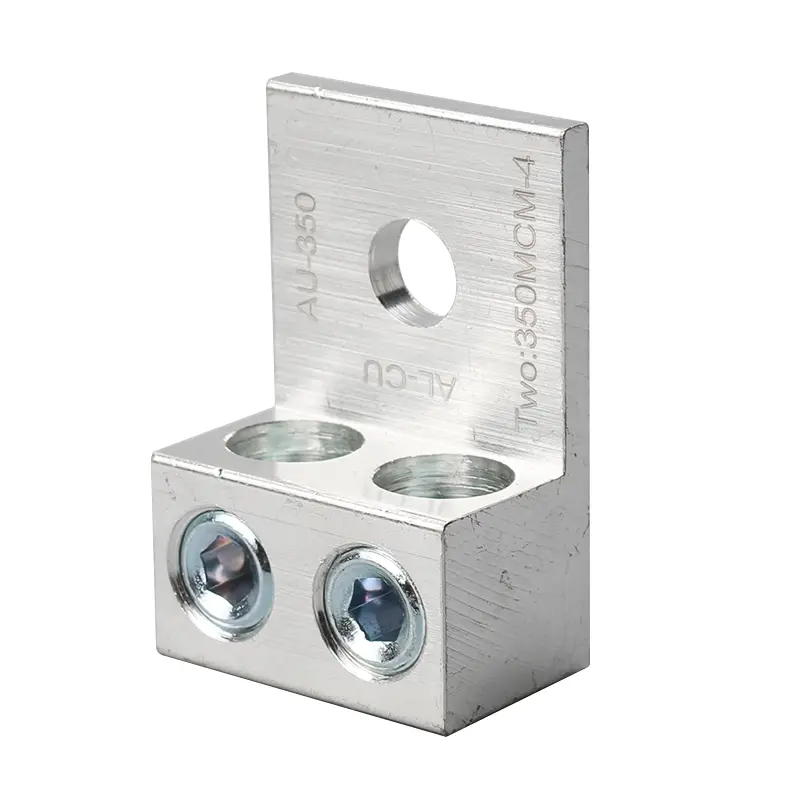
Reliable electrical connections are essential for safe power distribution in commercial buildings, industrial facilities, and electrical equipment. As distribution systems become more complex, connection components must provide stable conductor termination, dependable mechanical contact, and compatibility with the intended installation environment. 2 Conductor Panelboard Lugs are designed for applications that require a suitable terminal arrangement for connecting conductors within electrical distribution equipment.
Selecting appropriate connection components involves more than checking physical dimensions. Electrical ratings, conductor compatibility, installation methods, material properties, and applicable standards all influence the suitability of a terminal for a specific system. Wenzhou Kangshuai Electronic Co., Ltd. specializes in mechanical lugs, cold-pressed terminals, and connectors, providing electrical connection products for a wide range of industrial applications.
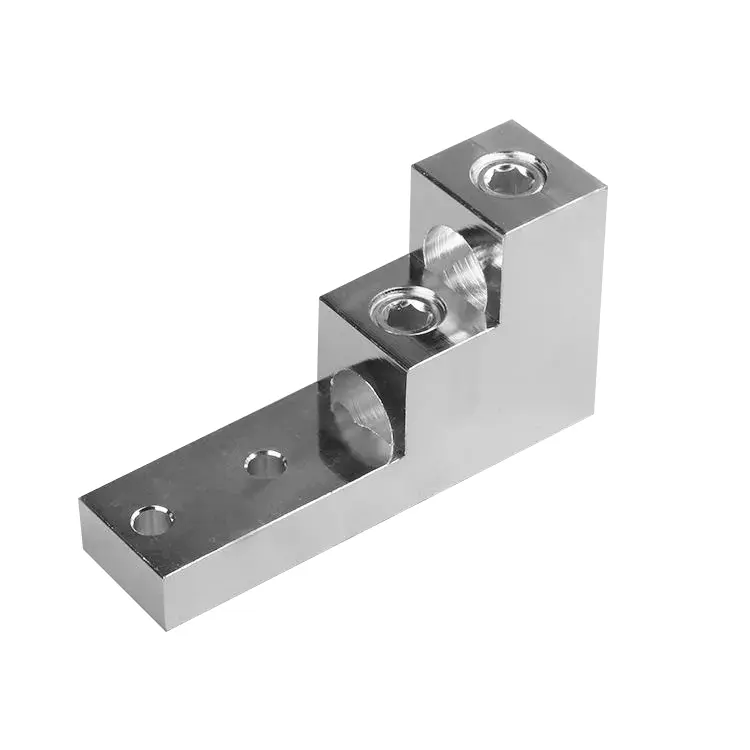
Panelboards are important parts of electrical distribution systems. They organize incoming power and distribute electricity to branch circuits through protective devices and associated conductors. Within these systems, terminal components establish the physical and electrical connection between conductors and designated connection points.
The quality of these connections affects installation reliability, maintenance requirements, and overall electrical safety. A suitable terminal must match the conductor type, conductor size, electrical load, and equipment configuration specified for the application.
Electrical distribution equipment often contains several conductors and connection points within a limited enclosure. Appropriate terminal designs help organize wiring and maintain a clear connection arrangement. This is particularly important in installations where accessibility, conductor routing, and maintenance procedures must be considered together.
A well-planned connection arrangement can help technicians identify conductors more easily and carry out inspection or servicing more efficiently. Proper conductor positioning also reduces unnecessary mechanical stress on connected components and helps maintain an orderly panel interior.
Electrical terminals must provide suitable contact surfaces and secure mechanical fastening. Poor contact can increase electrical resistance and generate localized heat, especially when connections carry sustained loads or experience unfavorable operating conditions.
Appropriate component selection and correct installation procedures help reduce these risks. Connection surfaces, conductor preparation, fastening methods, and specified tightening requirements should all be considered during assembly. Terminal selection must follow the equipment manufacturer's instructions and the applicable electrical requirements.
Different electrical installations have different connection requirements. A terminal suitable for one panel configuration may not be appropriate for another because conductor materials, available space, operating conditions, and equipment ratings can vary.
Conductor compatibility is one of the most important considerations when selecting electrical lugs. The terminal must be approved for the conductor material and size used in the installation. Copper and aluminum conductors can have different material characteristics, so a connection component intended for one type should not automatically be assumed suitable for the other.
Before selecting a terminal, technical personnel should review the manufacturer's specifications and confirm the permitted conductor combinations. Where multiple conductors are intended to share a connection, the terminal must be specifically rated for that arrangement. The presence of more than one conductor opening does not by itself establish compatibility with every conductor size or combination.
A secure mechanical connection helps maintain contact between the conductor and the terminal. Vibration, repeated maintenance, thermal cycling, and improper assembly can affect connection stability if the selected component or installation method is unsuitable.
Terminal design should therefore be evaluated in relation to the intended application. Relevant considerations include the fastening structure, conductor retention method, available installation space, and the manufacturer's prescribed assembly procedure.
Electrical ratings determine whether a connection component is appropriate for a particular installation. Current capacity, voltage rating, temperature limitations, and short-circuit requirements must be evaluated in the context of the complete electrical system.
These characteristics should not be inferred from appearance or product category alone. Engineers and installers should refer to verified product documentation and the ratings of the equipment in which the terminal will be used.
Some electrical distribution arrangements require a terminal configuration that accommodates more than one conductor at a designated connection location. In such cases, a suitable two-conductor design can help simplify conductor routing and support a more organized installation.
2 Conductor Panelboard Lugs should be selected according to their approved configuration and intended electrical function. Their suitability depends on the manufacturer's specifications, the conductors being connected, and the requirements of the panelboard or associated equipment.
Electrical enclosures must accommodate conductors, protective devices, busbars, and other components without compromising safety or accessibility. An appropriate terminal arrangement can help reduce unnecessary wire crossing and support a more systematic layout.
However, space efficiency should never replace electrical compatibility. The installation must preserve required clearances, maintain appropriate conductor bending conditions, and provide access for inspection and servicing. The final layout should comply with the applicable equipment instructions and electrical codes.
A connection design that matches the intended wiring arrangement can simplify assembly and help technicians follow consistent installation procedures. This can be useful in electrical panel manufacturing, equipment integration, and projects involving repeated panel configurations.
Standardized component selection also supports clearer documentation and more consistent maintenance practices. When terminals are identified by their approved specifications and application requirements, technical teams can reduce uncertainty during assembly and replacement.
The performance of an electrical terminal depends on its design, material properties, dimensional accuracy, and manufacturing consistency. These factors influence electrical contact, mechanical strength, installation fit, and long-term service reliability.
Conductive materials are selected according to the intended electrical and mechanical requirements. Their conductivity, strength, corrosion behavior, and compatibility with the conductor influence the suitability of the finished component.
Surface condition is also important. Contamination, unsuitable surface treatments, or damage during handling can affect the contact interface. For this reason, manufacturing controls and appropriate storage and handling procedures contribute to the quality of electrical connection products.
Where different metals are involved, compatibility must be confirmed through the manufacturer's technical documentation. The correct terminal design and approved installation method help address the risks associated with unsuitable material combinations.
Precise manufacturing helps ensure that terminal components conform to their intended design. Consistent dimensions support proper assembly and reduce the likelihood of fitting difficulties during installation.
Manufacturers can support product consistency through controlled production procedures, suitable tooling, process monitoring, and inspection. The specific inspection methods depend on the product design and the quality requirements established for the application.
Inspection is an important part of producing dependable electrical connection components. Depending on the product and its intended use, quality checks may address dimensional conformity, surface condition, material requirements, mechanical characteristics, and relevant electrical performance criteria.
Verification should be based on defined requirements rather than general assumptions. Technical documentation, inspection records, and applicable test reports help establish whether a component is suitable for its intended application.
| Quality Consideration | Inspection Focus | Practical Benefit |
|---|---|---|
| Material conformity | Specified material and surface condition | Supports appropriate electrical and mechanical performance |
| Dimensional accuracy | Terminal geometry and connection fit | Helps maintain consistent assembly |
| Mechanical integrity | Structural condition and conductor retention | Supports secure installation |
| Electrical suitability | Verified ratings and application compatibility | Helps ensure appropriate use within the system |
| Documentation | Specifications and applicable test records | Supports product verification and traceability |
Even a well-manufactured terminal can perform poorly when installed incorrectly. Reliable electrical connections depend on suitable product selection, proper conductor preparation, correct fastening, and compliance with the equipment manufacturer's instructions.
Conductor preparation should follow the terminal manufacturer's requirements. Insulation must be removed to the specified length without damaging the conductor strands or reducing the conductor's effective cross-sectional area.
Damaged strands, contamination, and incorrect stripping can compromise the connection. For stranded conductors, any required preparation or treatment must be compatible with the terminal design. Additional components should only be used when permitted by the manufacturer's instructions.
Fastening requirements vary with terminal construction and application. Under-tightening may result in insufficient contact pressure, while excessive tightening can damage the conductor or connection hardware. Technicians should use the specified torque values and appropriate tools wherever the manufacturer requires them.
Installation procedures should also account for the space available around the terminal and the routing of connected conductors. Mechanical loads should not be transferred unnecessarily to the connection point through forced alignment or excessive wire tension.
After assembly, the connection should be inspected according to the relevant work instructions and safety requirements. Inspection can help identify visible damage, incorrect conductor positioning, unsuitable fastening, or interference with nearby components.
Electrical testing and commissioning should be performed by qualified personnel using procedures appropriate to the equipment. Energized work must follow applicable safety requirements, and connections should not be adjusted while energized unless a specifically authorized procedure permits it.
Electrical connection components support a broad range of equipment and infrastructure. Their selection varies according to the operating environment, conductor arrangement, electrical ratings, and maintenance requirements of each application.
Commercial buildings, factories, and service facilities rely on distribution equipment to supply lighting, machinery, HVAC systems, and other electrical loads. Appropriate terminal components help establish organized conductor connections within panelboards and related equipment.
In these environments, dependable connections contribute to operational continuity and support routine inspection. Product selection must account for the electrical characteristics of the system as well as the installation conditions inside the enclosure.
Industrial machinery often combines motors, control circuits, protective devices, and power distribution components. Suitable terminals help connect these elements within the electrical architecture of the equipment.
Manufacturers may also benefit from consistent component specifications across equipment models. Standardized selection can simplify assembly documentation, maintenance planning, and the identification of replacement parts, provided the selected terminals remain compatible with each design.
Power distribution installations require connection components that meet defined electrical and mechanical requirements. Engineers must consider load characteristics, protection coordination, environmental conditions, and the ratings of associated equipment when choosing terminals.
In these applications, a component's suitability must be supported by its technical documentation and any required approvals. A general description alone is not sufficient to establish compliance with a particular installation standard.
Electrical terminals are available in different structures and connection arrangements. Understanding the main differences helps technical teams select components that match the wiring plan and the requirements of the equipment.
| Selection Factor | What to Confirm | Why It Matters |
|---|---|---|
| Conductor material | Approved copper or aluminum compatibility | Helps avoid unsuitable material combinations |
| Conductor arrangement | Permitted number and combination of conductors | Supports correct connection configuration |
| Electrical rating | Current, voltage, and temperature requirements | Helps maintain system safety |
| Installation space | Terminal dimensions and required clearances | Supports practical wiring and maintenance |
| Compliance requirements | Applicable standards and equipment approvals | Helps verify suitability for the intended installation |
Comparisons should be based on verified specifications rather than assumptions about product appearance. Where a terminal is intended for use with specific panelboard equipment, compatibility with that equipment must be confirmed before installation.
Check the conductor material, approved conductor size, electrical ratings, permitted connection arrangement, installation dimensions, and applicable certification requirements. The terminal must be suitable for the equipment and the intended operating conditions.
No. A terminal can accommodate multiple conductors only when its design and manufacturer specifications explicitly permit the intended conductor arrangement. Using an unsuitable terminal can lead to poor contact, overheating, or other electrical hazards.
Correct tightening helps establish the contact pressure required by the connection design. Insufficient or excessive tightening can affect mechanical stability and electrical performance. Always follow the specified installation procedure and use appropriate tools.
Connection quality can be supported through correct product selection, careful conductor preparation, proper installation, suitable inspection, and compliance with maintenance procedures. Any inspection or servicing should follow the equipment manufacturer's instructions and applicable safety rules.
Relevant documentation may include product drawings, material specifications, conductor compatibility information, electrical ratings, installation instructions, and applicable test or certification records. The documents required depend on the project specifications and the standards governing the installation.
Electrical connection technology continues to evolve alongside the needs of modern power distribution, industrial automation, machinery manufacturing, and building infrastructure. As systems become more integrated, terminal components must be selected with careful attention to safety, compatibility, manufacturing quality, and installation requirements.
For applications involving 2 Conductor Panelboard Lugs, the most appropriate solution is one that matches the intended conductor arrangement and complies with the ratings and instructions of the relevant electrical equipment. Reliable results depend on both product quality and correct installation, making technical verification an essential part of component selection.
Wenzhou Kangshuai Electronic Co., Ltd. has developed its capabilities in the design, research and development, and production of mechanical lugs, cold-pressed terminals, and connectors. The company serves application areas including electricity, communications, machinery, construction, transportation, automotive manufacturing, home appliances, and electrical installation.
With established technical capabilities, advanced production technology, and comprehensive testing equipment, Wenzhou Kangshuai Electronic Co., Ltd. has obtained ISO 9001 quality management system certification. The company also states that its products meet UL standards and have SGS environmental certification. Its products are supplied to markets across Europe, the United States, Southeast Asia, South America, the Middle East, and other regions.
Committed to safe, reliable, applicable, and stable electrical product quality, Wenzhou Kangshuai Electronic Co., Ltd. continues to focus on manufacturing quality, technical development, and dependable service. Its experience in mechanical lugs, terminals, and connectors supports electrical connection requirements across a wide range of industrial applications.