In electrical distribution systems, panelboard lugs serve as essential connection points for securing conductors and ensuring stable current transmission. When lugs fail, it can cause voltage drops, overheating, or even system shutdowns. Understanding how to identify and resolve these failure modes is crucial for maintaining reliable electrical performance. At Wenzhou Kangshuai Electronic Co., Ltd., our factory specializes in manufacturing durable and high-conductivity panelboard lugs for industrial, commercial, and residential applications.

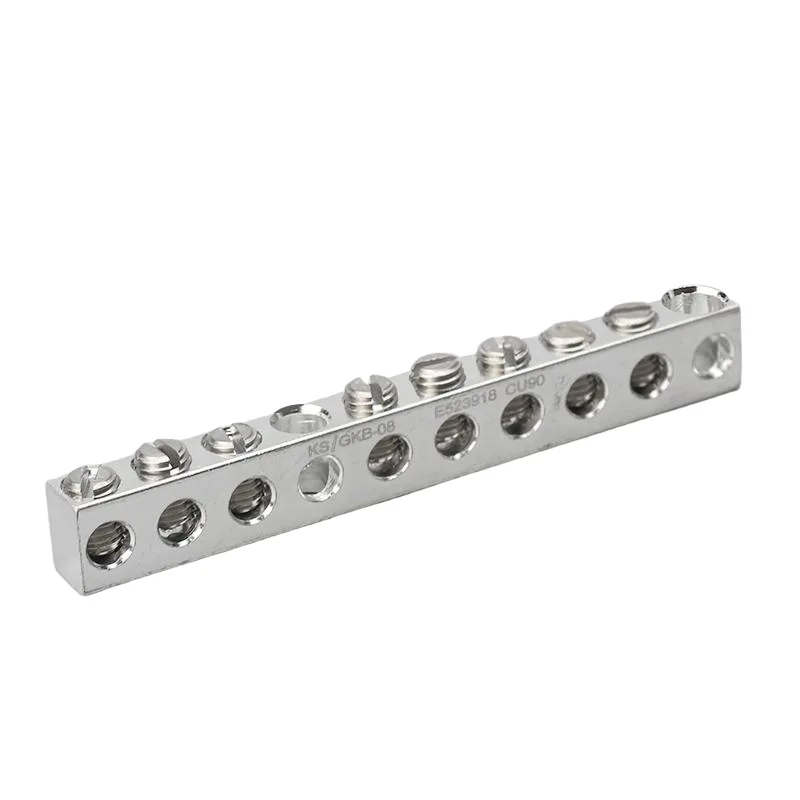
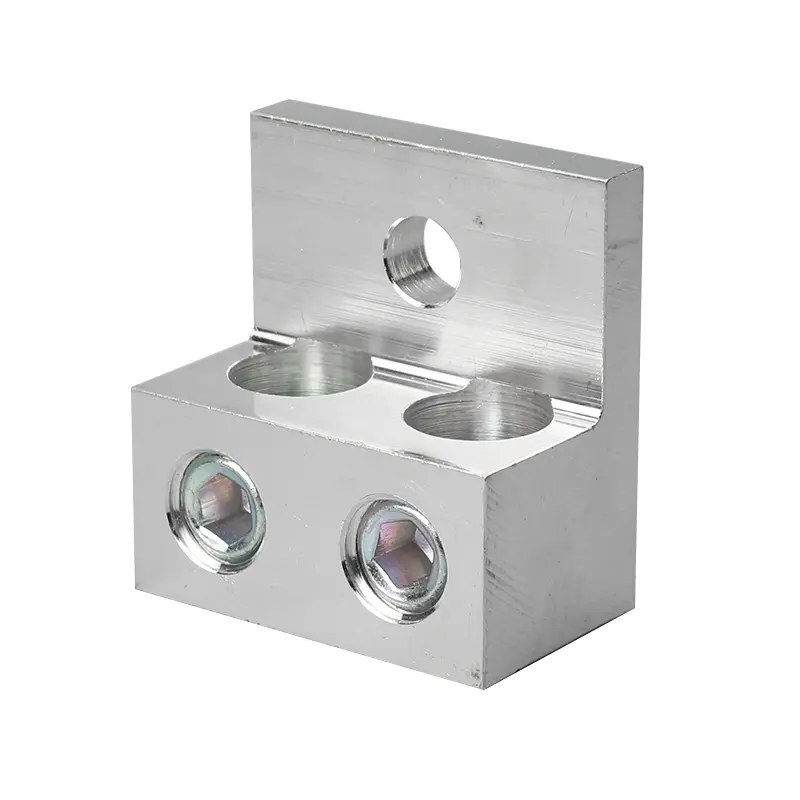
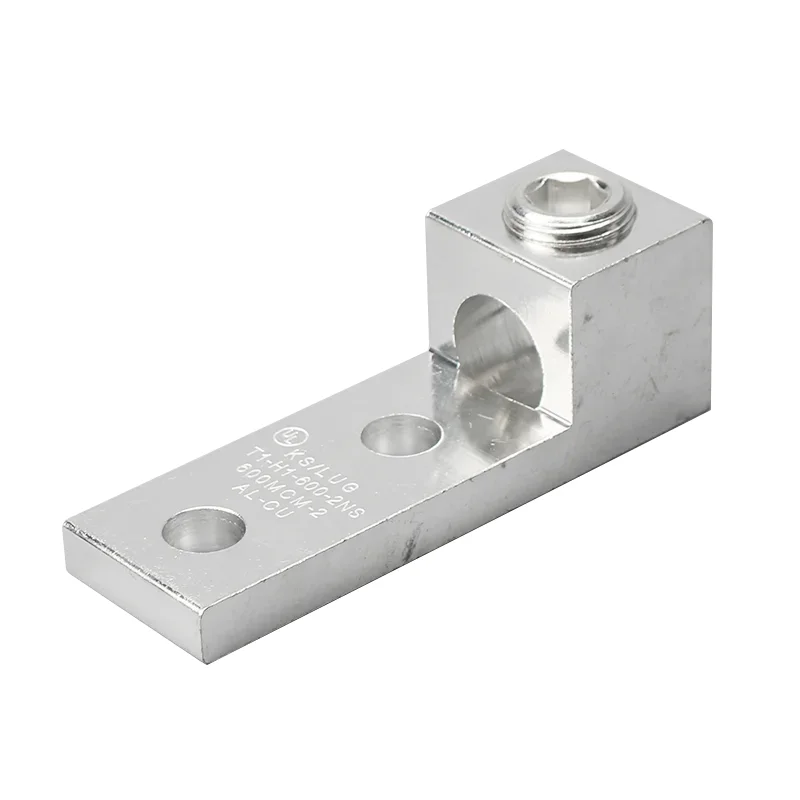
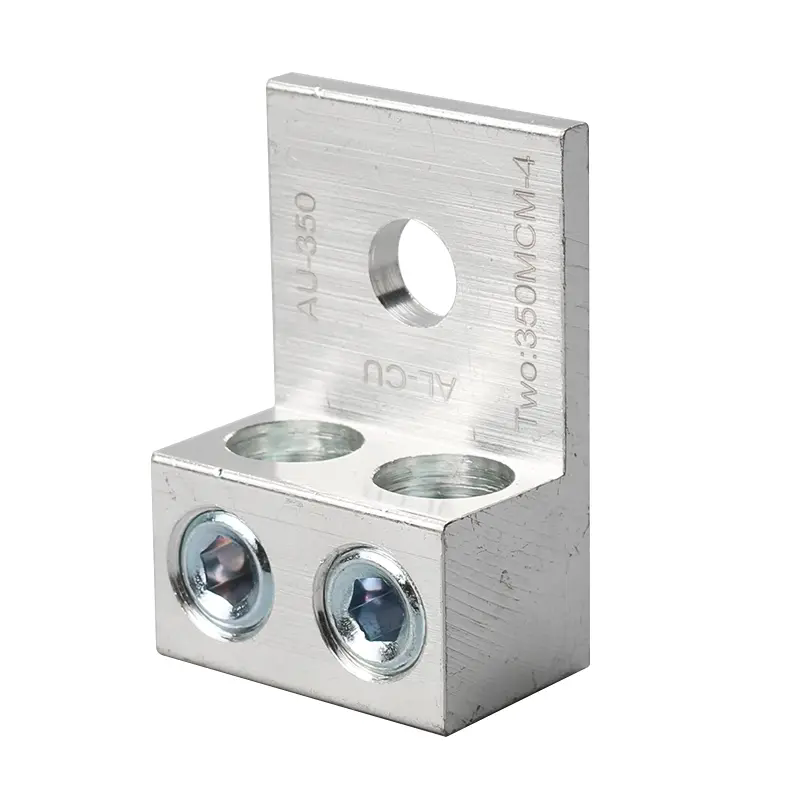
Panelboard lugs are mechanical connectors used to attach conductors to busbars or terminals. Their performance directly affects electrical stability and safety. The primary purpose of these lugs is to create a secure, low-resistance path between the wire and the electrical panel. Our Panelboard Lugs are designed with high-strength materials and corrosion-resistant coatings to ensure durability under various environmental conditions.
| Parameter | Specification | Description |
| Material | High conductivity copper or aluminum alloy | Ensures low resistance and superior current flow |
| Surface Treatment | Tin-plated, nickel-plated, or bare | Prevents oxidation and enhances electrical performance |
| Rated Voltage | Up to 600V AC / DC | Suitable for low to medium voltage applications |
| Temperature Range | -40°C to +120°C | Stable operation under high thermal conditions |
| Conductor Size Range | 2.5mm² to 240mm² | Compatible with various wire gauges |
| Torque Rating | 1.2 – 60 Nm | Recommended tightening torque for secure connection |
At Wenzhou Kangshuai Electronic Co., Ltd., our engineering team continuously optimizes mechanical design and material selection to achieve consistent contact integrity. Our products comply with international electrical standards, making them suitable for global use.
Failures in Panelboard Lugs often arise from mechanical stress, environmental degradation, or improper installation. Recognizing these modes early helps prevent severe damage or safety hazards.
Our factory performs thermal cycling and torque testing to ensure each lug meets mechanical and electrical reliability standards before shipment. Wenzhou Kangshuai Electronic Co., Ltd. also provides installation guides and quality assurance certificates for every batch.
Troubleshooting requires systematic inspection and testing. Below is a professional guide developed by our technical team to help identify and fix common issues effectively.
| Failure Symptom | Probable Cause | Troubleshooting Method |
| Excessive Heat at Terminal | Loose or corroded connection | Tighten terminal screws to rated torque; clean contact surfaces with conductive paste |
| Voltage Drop Detected | Oxidized lug or damaged wire | Inspect for discoloration; replace oxidized lugs and re-strip wire ends |
| Cracked Lug Body | Over-tightening or vibration stress | Replace with correct size lug and apply anti-vibration lock washer |
| Arcing or Sparking | Poor contact between wire and lug | Reinstall conductor properly and verify full surface contact |
| Corrosion Marks | High humidity or chemical exposure | Use tin-plated lugs and ensure enclosure sealing integrity |
| Discoloration on Busbar | Overcurrent or heat cycling | Check current rating and upgrade to higher capacity lug if necessary |
Our field experience at Wenzhou Kangshuai Electronic Co., Ltd. shows that 80% of lug failures are preventable through proper installation and periodic maintenance. Our Panelboard Lugs are designed to simplify inspection, offering visible torque indicators and corrosion-resistant finishes.
Preventing failures is always more cost-effective than repair. Here are several proactive measures that our engineers recommend for reliable operation.
At Wenzhou Kangshuai Electronic Co., Ltd., our factory performs 100% visual and mechanical inspections before packaging. Our maintenance manuals are provided with each shipment, helping customers maintain long-term performance of Panelboard Lugs.
Q1: How often should Panelboard Lugs be inspected in electrical systems?
A1: Regular inspection every six months is recommended. Look for discoloration, loose connections, or corrosion. Our factory advises replacing any lug showing visible damage to avoid overheating or electrical faults.
Q2: What is the ideal torque range for tightening Panelboard Lugs?
A2: Torque values vary depending on conductor size and material. Typically, 1.2–60 Nm is sufficient for most applications. Wenzhou Kangshuai Electronic Co., Ltd. provides a torque chart with each product to ensure accurate installation.
Q3: Can damaged Panelboard Lugs be repaired instead of replaced?
A3: Repairs are not recommended. Once a lug is cracked or oxidized, replacement is the safest option. Our high-quality Panelboard Lugs are designed for easy installation and minimal downtime, ensuring safety and reliability.
Understanding How to Troubleshoot The Common Failure Modes for Panelboard Lugs? enables electrical engineers and maintenance teams to prevent costly failures. Regular inspection, correct torque application, and high-quality materials are essential for safe and stable operation. At Wenzhou Kangshuai Electronic Co., Ltd., our commitment to innovation and quality ensures that every Panelboard Lugs product delivers optimal performance across diverse industries. Through our expertise and advanced manufacturing processes, we continue to be a trusted partner for dependable electrical connection solutions worldwide.